1
feature
#3172·by matt-aitken·+4284 / -15
A top-level Errors dashboard automatically isolates and groups similar failures, giving developers a timeline of occurrences and a direct path to bulk-replay affected runs.
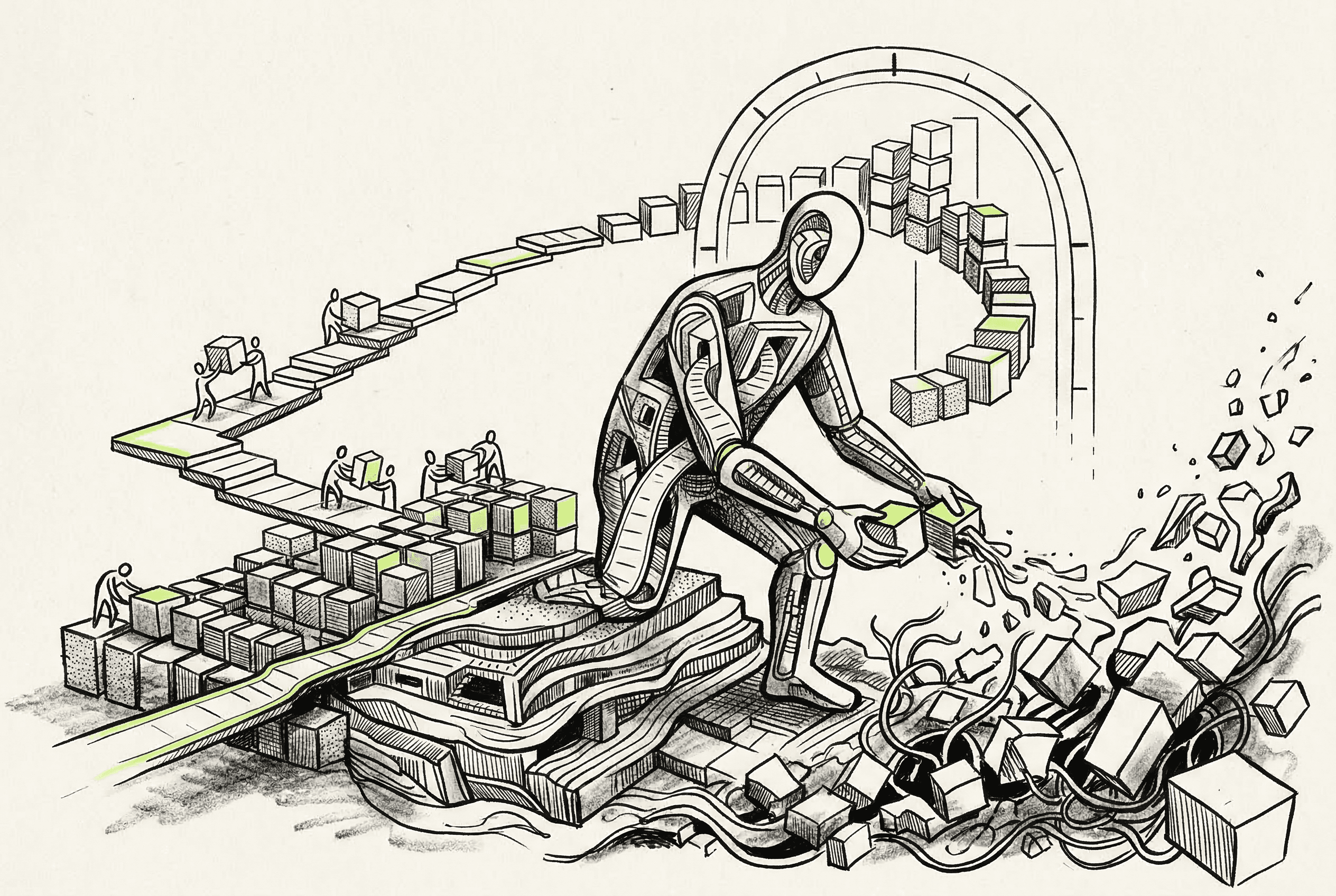
A new errors dashboard automatically fingerprints and groups failed runs, exposing a timeline of recurring bugs. Instead of hunting down individual failure IDs, you can now bulk-replay all affected tasks simultaneously after deploying a fix.
The testing suite now includes an AI payload generator that reads your schemas to instantly mock valid JSON inputs, skipping tedious manual data entry. Shutting down your local CLI also immediately terminates in-flight cloud executions, preventing zombie processes from draining your quota.
Throughput constraints have been relaxed, with batch processing limits increasing fivefold across all account tiers. Deployments are also smoother, as Supabase users can now automatically inject preview database credentials during the build step.
A top-level Errors dashboard automatically isolates and groups similar failures, giving developers a timeline of occurrences and a direct path to bulk-replay affected runs.
Testing background tasks just got easier with a new AI-powered payload generator that reads your schemas and source code to instantly mock valid test data.
A new background monitor terminates in-flight cloud executions when local environments are shut down, preventing zombie runs from lingering.