Thursday, Mar 5, 2026
Feature·Merged Mar 5, 2026·XL
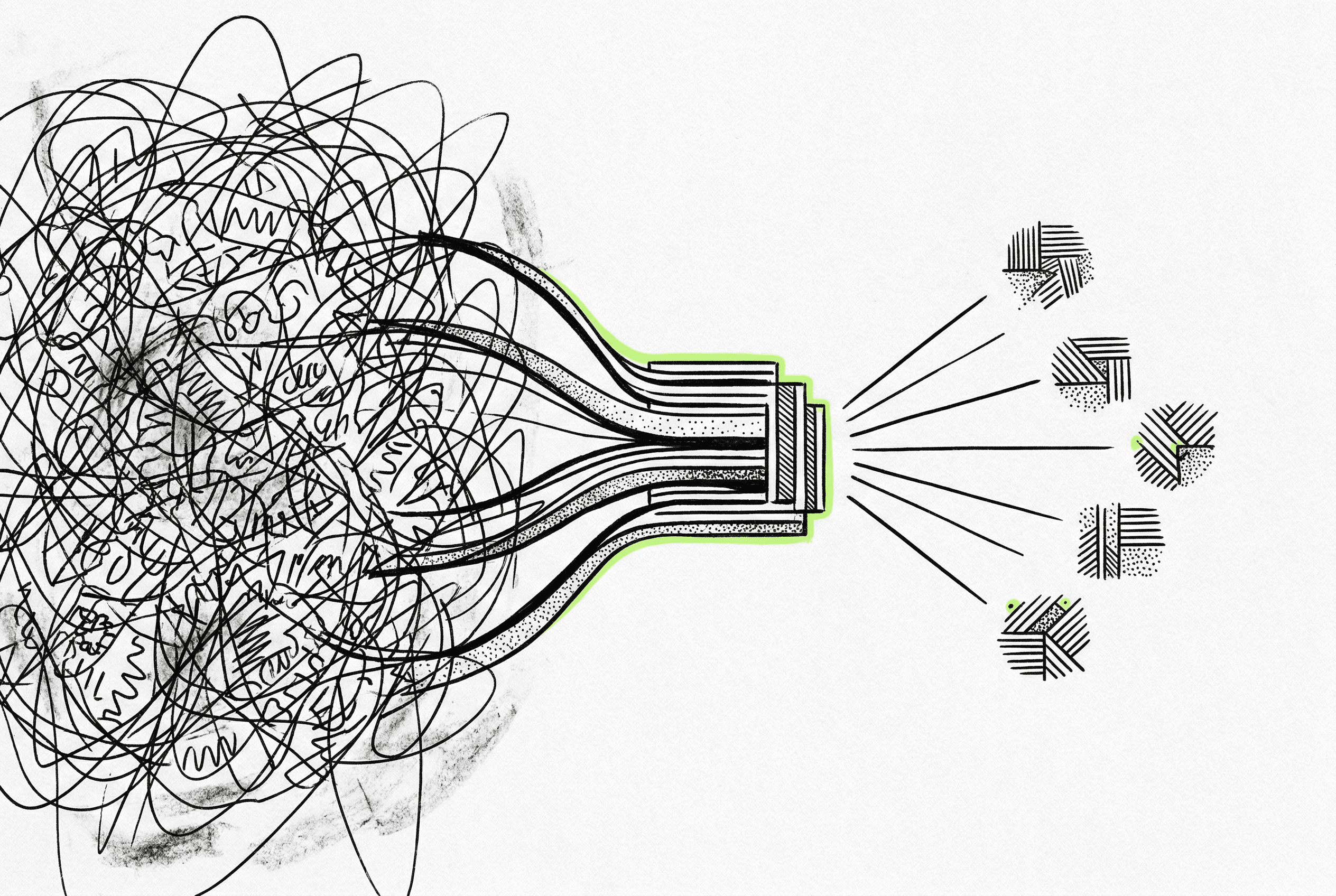
Developers can track and bulk-replay grouped run errors
#3172·by matt-aitken
A top-level Errors dashboard automatically isolates and groups similar failures, giving developers a timeline of occurrences and a direct path to bulk-replay affected runs.
Feature·Merged Mar 5, 2026·L
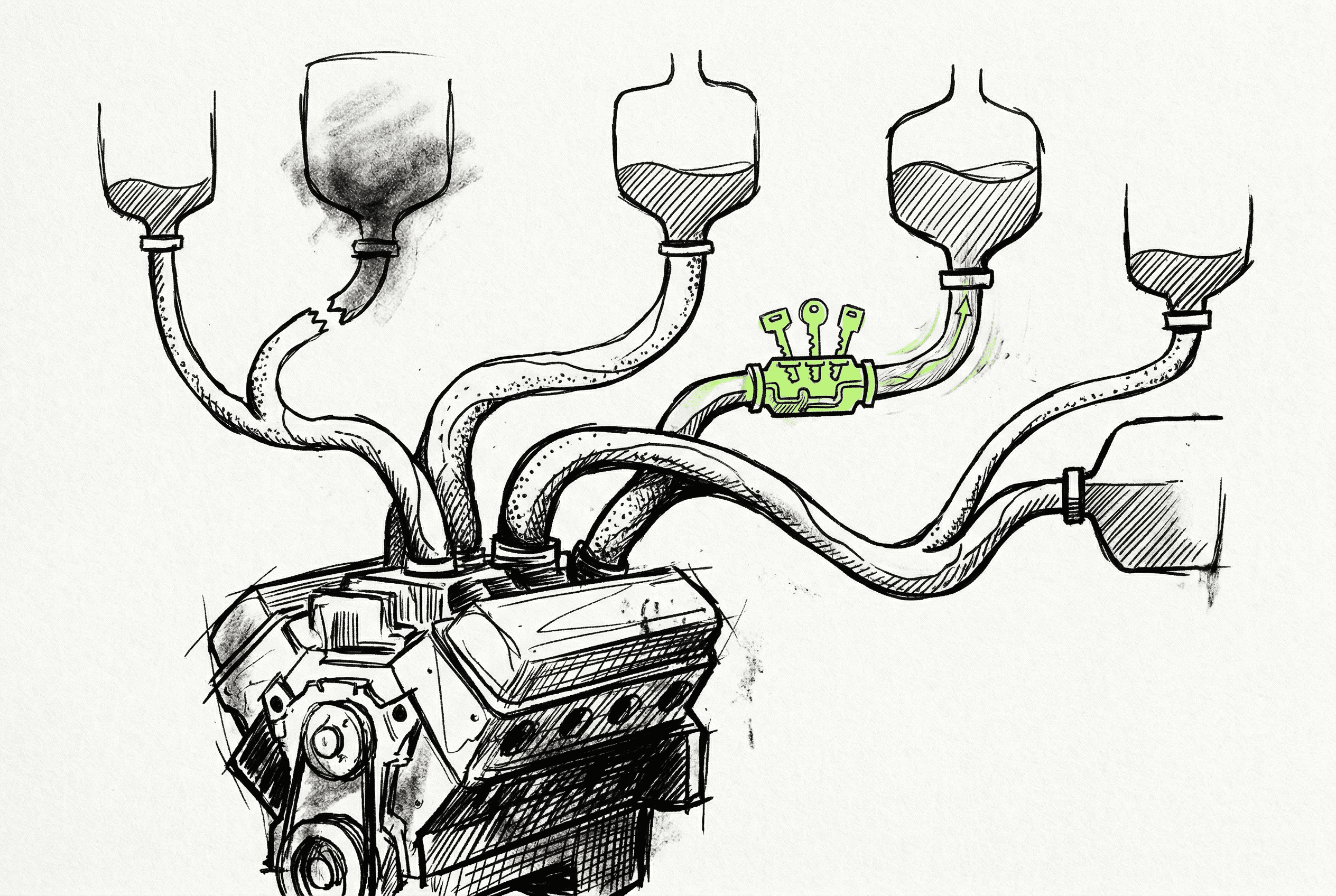
Supabase database branching credentials can now be synced at build time
#3152·by 0ski
Developers using Supabase branching can automatically inject the correct database URLs and API keys for preview environments during the build step. Vercel staging synchronization also received stricter mapping requirements.
Wednesday, Mar 4, 2026
Tuesday, Mar 3, 2026
Bugfix·Merged Mar 3, 2026·M
Batch queue rate limiting moved to per-item processing
#3166·by ericallam
Batch processing throughput is restored by tracking actual items processed instead of claim attempts, while a new backpressure system prevents visibility timeouts under heavy load.
Monday, Mar 2, 2026
Feature·Merged Mar 2, 2026·XL

Applications can now send typed data directly to running tasks
#3146·by ericallam
A new input streams API enables bidirectional communication, allowing developers to stream real-time data into paused or running task processes to build interactive workflows and human-in-the-loop systems.
Dependency·Merged Mar 2, 2026·