triggerdotdev
Development Feed
Development Feed
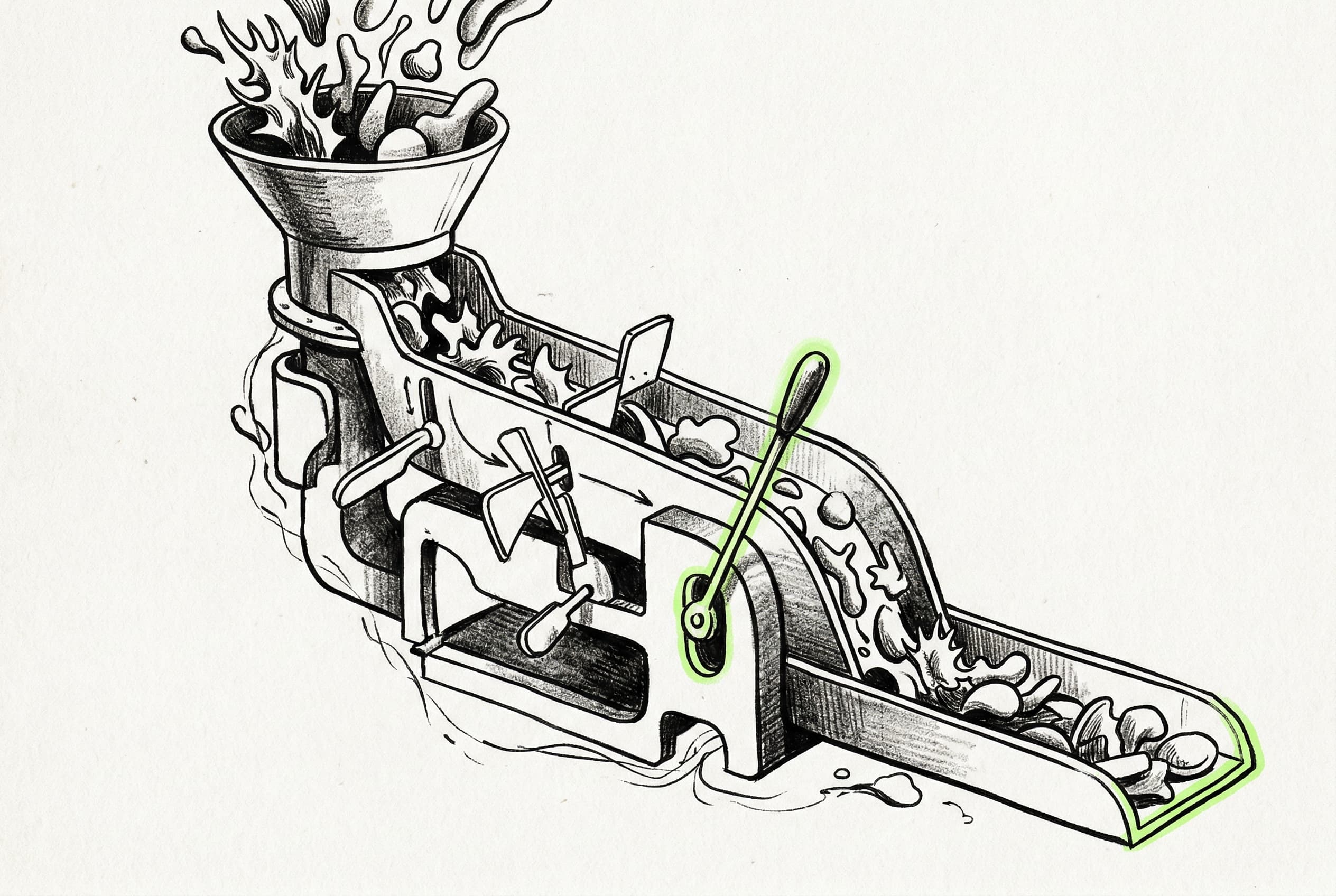
Scheduled runs now prefer a dedicated node pool, reducing contention with on-demand runs that are more sensitive to cold start latency.
Users can now browse AI models in a catalog, view detailed metrics per model, and compare performance across multiple models side-by-side. The feature includes a new sidebar section under AI with feature flag controls.
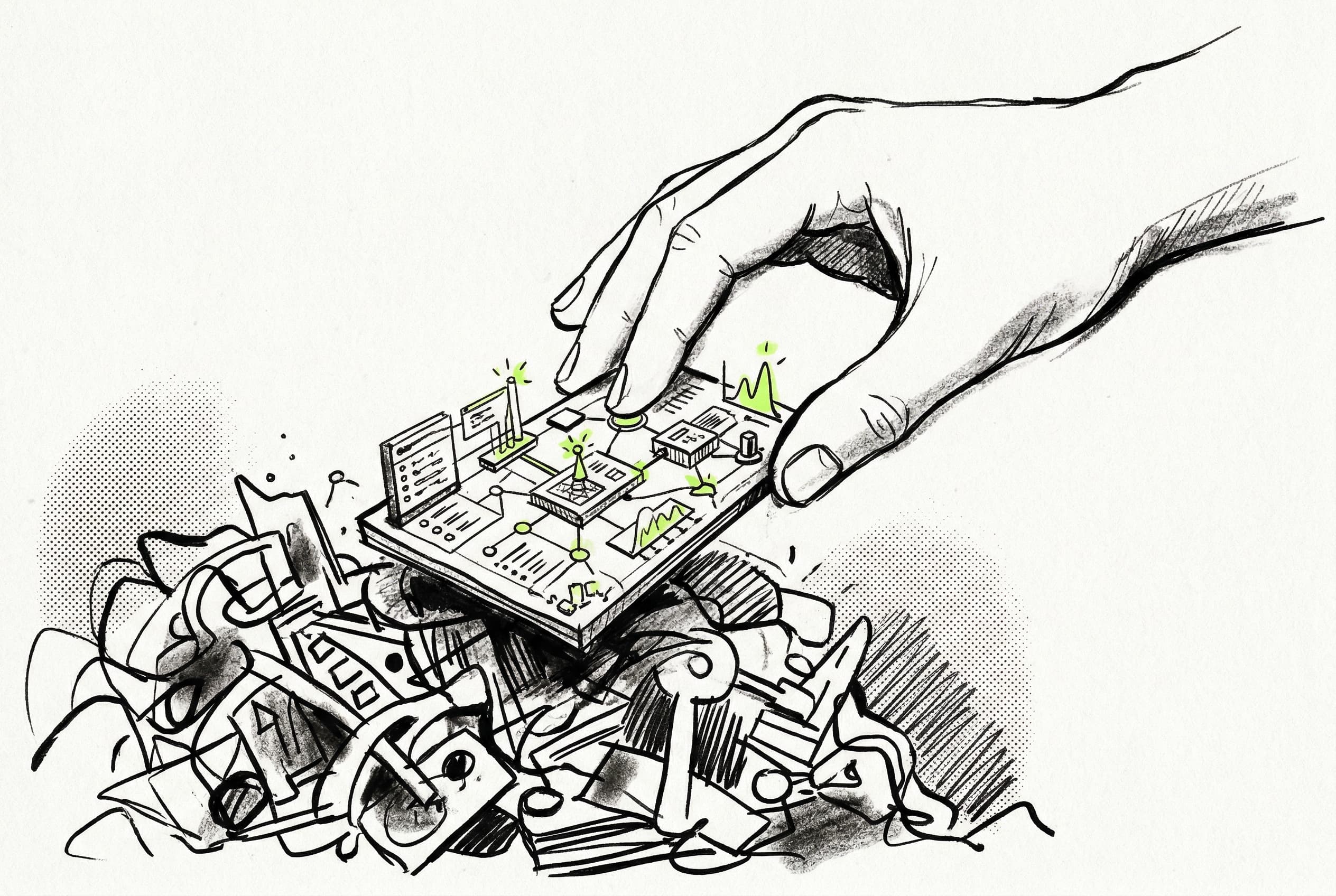
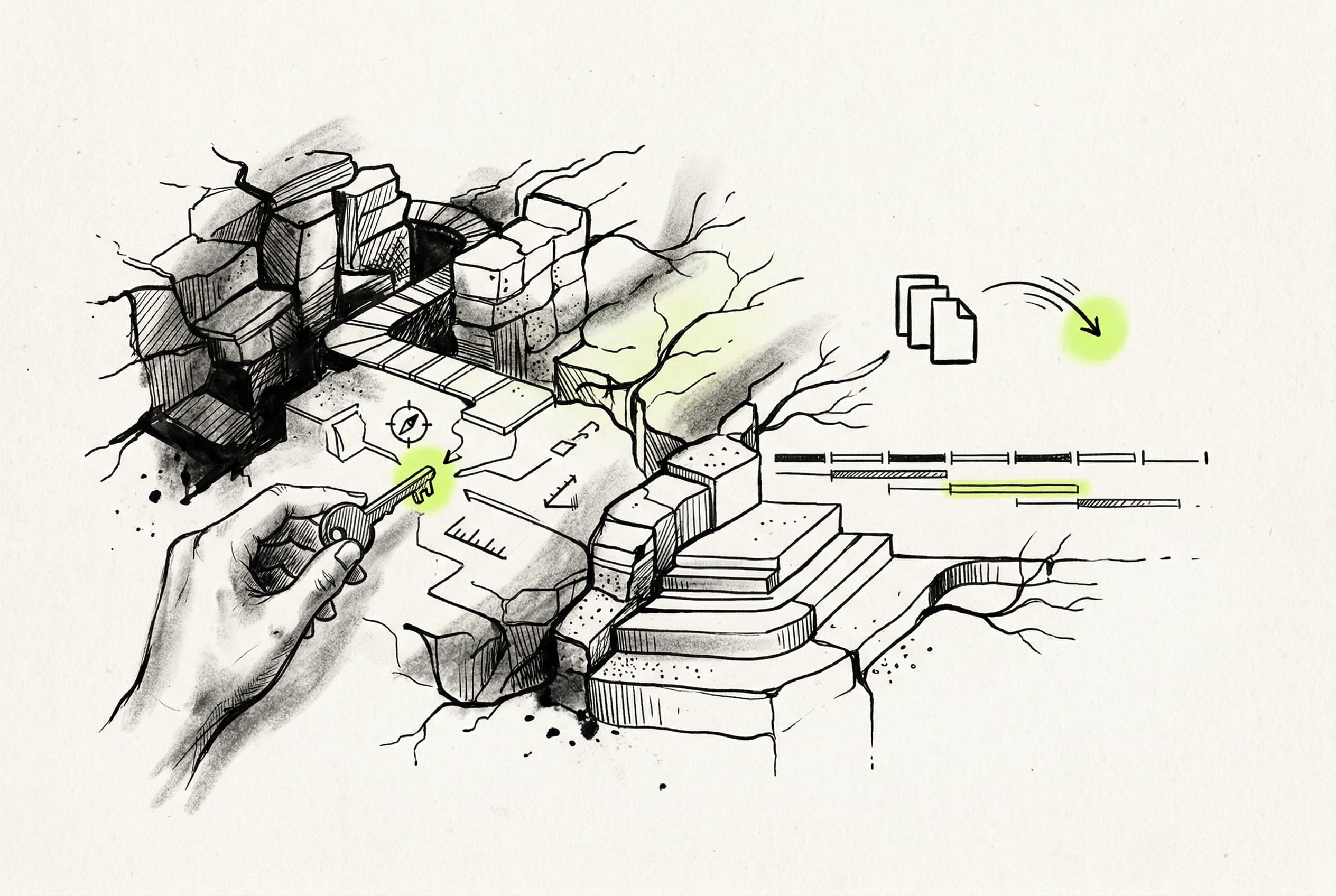
The AI Prompts and Metrics pages in the webapp now feature custom icons, horizontal timeline displays for span durations, copiable metadata fields, and keyboard shortcuts for filters — significantly improving navigation and usability.
Expected validation rejections like queue size limits are now logged as warnings instead of errors, reducing noise in monitoring and alerting systems.
Trigger.dev documentation now includes AI-assisted setup prompts, standardized import paths, and reorganized realtime docs that clearly explain the difference between run status updates and streaming AI output.

The MCP server now exposes get_span_details, a new tool for drilling into individual spans within a run trace to view timing, properties, events, and AI enrichment data like model, tokens, and cost.

Each task run now records where it was triggered from — SDK, API, dashboard, CLI, MCP, or schedule — plus the action type (trigger, replay, or test). This enables filtering runs by origin without traversing the run tree and makes it possible to route scheduled runs differently based on their source.
Projects created from Vercel templates will now automatically deploy once GitHub is connected, completing the onboarding flow without manual trigger.
The MCP tool that fetches run details now skips caching for active runs, ensuring developers always see fresh trace data for in-progress work.
Developers can now define AI prompts in code with `prompts.define()`, then manage versions and overrides from the dashboard without redeploying, with rich AI span inspectors showing prompt context and metrics in run traces.

A new contributor, jrossi, has been added to the project's VOUCHED list, granting them commit access to the trigger.dev repository.