triggerdotdev
Development Feed
Development Feed

Developers can set Time-To-Live (TTL) limits for background tasks globally or per-task, ensuring stale jobs expire before executing if queues back up.
Administrators can now view, toggle, and override feature flags per organization directly from the web UI, bypassing the need for manual database updates.


Platform administrators can now configure scheduled jobs to tolerate specific node taints, unlocking the ability to route these runs to dedicated, isolated Kubernetes node pools.
Administrators can selectively enable or restrict Private Connections for specific organizations, allowing targeted rollouts and workspace-level access control.

The LLM catalog synchronization pipeline now completely rebuilds default model pricing tiers and clears stale context limits, ensuring accurate billing and configuration.

A new compute workload manager routes runs to a dedicated gateway, enabling template pre-warming, fast checkpoint restorations, and delayed snapshots.
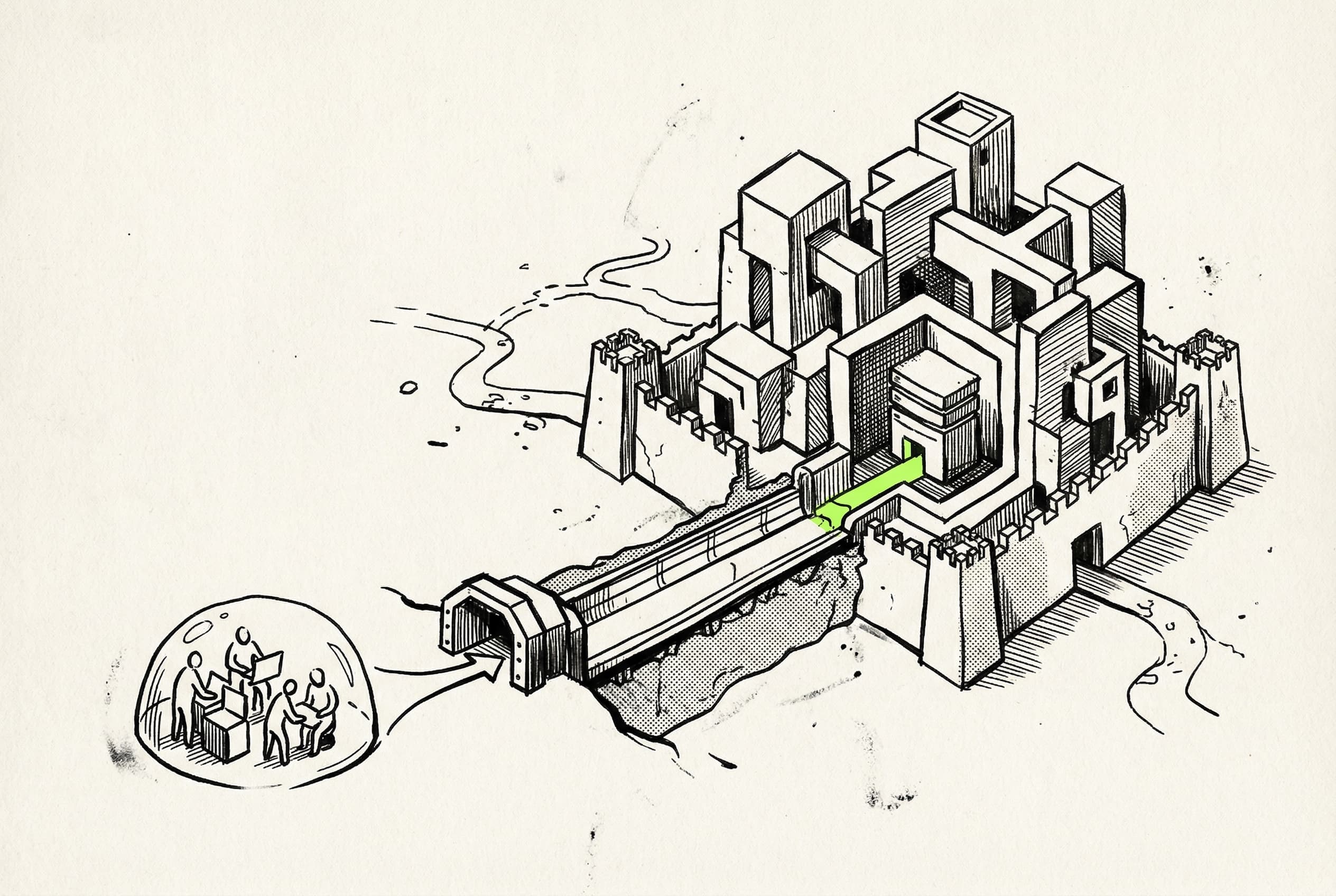
Pro and Enterprise organizations can establish AWS PrivateLink connections to securely route task traffic to their VPCs without traversing the public internet.
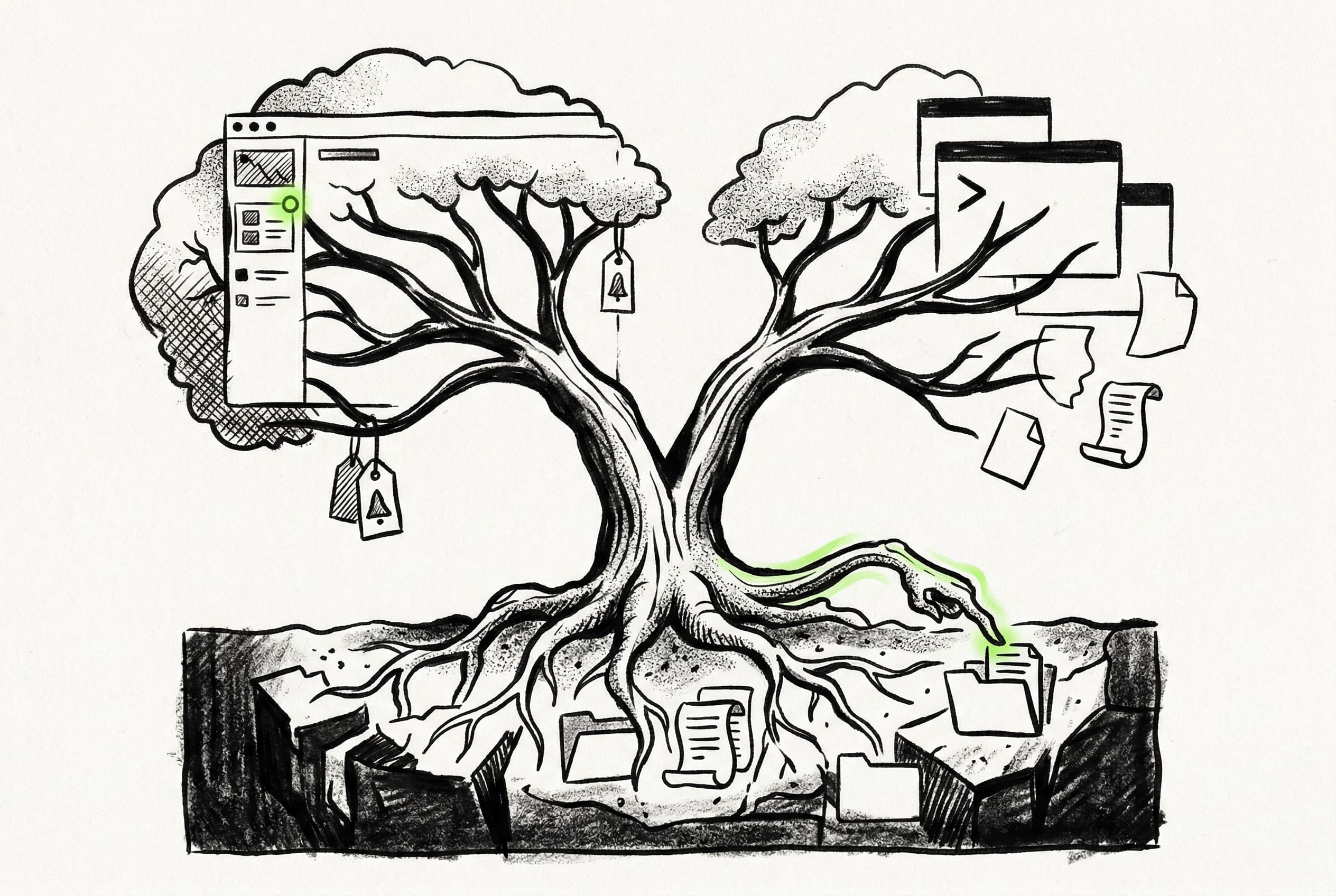
The dashboard now surfaces platform notifications for feature announcements and changelogs, while the CLI shows relevant alerts during `trigger dev` and `trigger login` based on project context.
Organizations can no longer bypass subscription limits for private networking features, as access is now correctly gated based on their specific plan.
The web application will no longer store resizable panel dimensions in cookies, resolving an issue where oversized request headers caused server rejections.
Task runs replicated to ClickHouse now include trigger_source, root_trigger_source, and is_warm_start columns, giving teams deeper visibility into what fires their tasks and whether they started warm.

Span titles in the right-hand inspector panel now display with bright text, improving readability compared to the dimmed styling used in the spans list.
Initial deployments now trigger correctly for Vercel marketplace flows by persisting marketplace context through the onboarding journey instead of relying on redirect URLs.
When multiple team members work in the same organization, each now correctly sees their own development environment rather than accidentally landing on a colleague's. The fix adds a userId check specifically for DEVELOPMENT environment lookups, since all dev environments share the same \"dev\" slug.